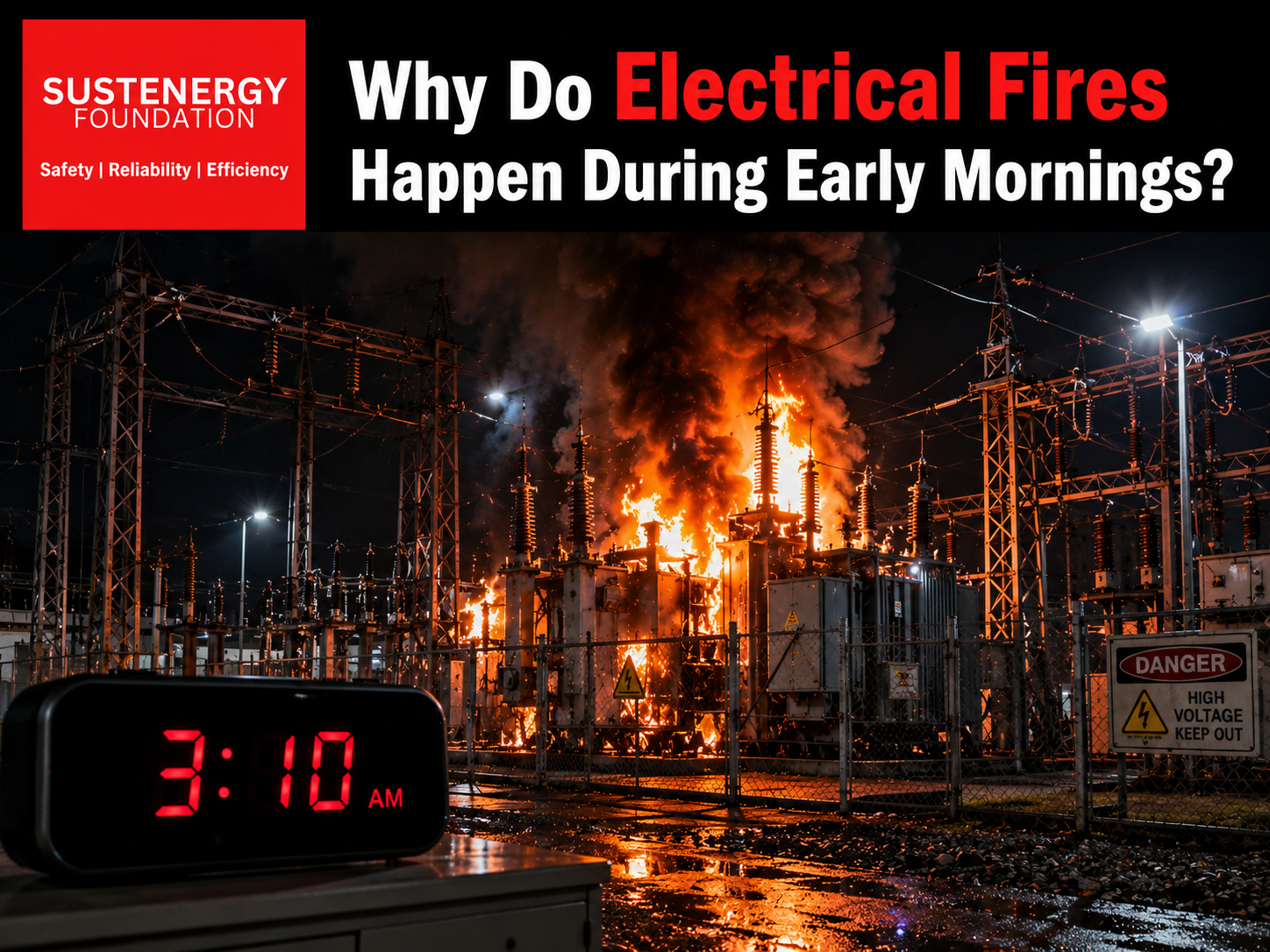
Why Do Electrical Fires Happen During Early Mornings?
Understanding the Hidden Risks Behind India's Growing Electrical Fire Incidents
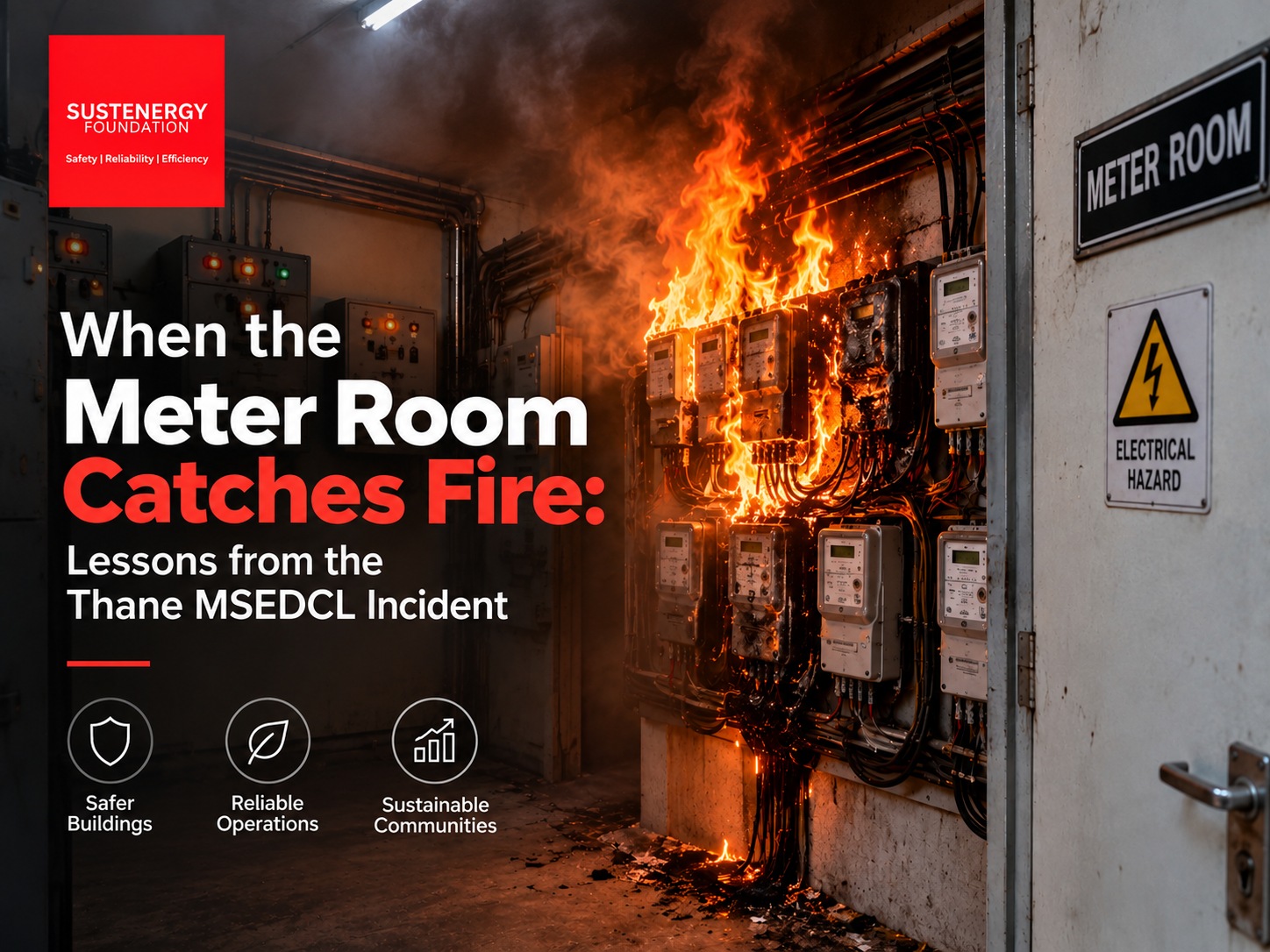
Across India, a significant number of fatal fire accidents occur during the early morning hours—typically between 1:00 AM and 8:00 AM. Whether in homes, hospitals, hotels, commercial buildings, or industrial facilities, many devastating fires seem to follow the same pattern.
This is not merely a coincidence.
A combination of electrical, environmental, and human factors creates the perfect conditions for small electrical faults to develop into major disasters while most people are asleep and unaware.
These incidents highlight the growing importance of conducting regular electrical safety audits, including specialized hospital electrical safety audits and hotel electrical safety audits, to protect lives, assets, and business continuity.
1. People Are Sleeping and Early Warning Signs Go Unnoticed
Before most electrical fires occur, there are usually warning signs such as:
A burning smell
Overheated wiring
Sparking
Smoke generation
Crackling sounds
During the daytime, these signs are often noticed quickly, allowing maintenance personnel or occupants to take corrective action. However, during the early morning hours, most people are asleep.
As a result, a minor electrical fault can continue developing unnoticed for several hours until it becomes a full-scale fire.
2. Electrical Equipment Continues Operating Without Supervision
Many electrical systems run continuously throughout the night.
Residential Buildings
Air conditioners
Refrigerators
Water pumps
Mobile chargers
Inverters
Wi-Fi routers
Hospitals
Medical equipment
HVAC systems
UPS systems
Oxygen support infrastructure
Hotels
Air-conditioning systems
Water heating systems
Kitchen standby equipment
IT Facilities
Servers
Data centers
UPS systems
Cooling equipment
When faults develop in these systems, there is often no active monitoring, allowing problems to escalate silently. This is one of the key reasons why electrical safety audits in India focus heavily on preventive maintenance and continuous monitoring practices.
3. Early-Morning Humidity Can Trigger Electrical Failures
In many parts of India, temperatures drop and humidity rises during the early morning hours.
This change can lead to:
Condensation inside electrical panels
Moisture accumulation
Surface tracking
Insulation deterioration
Outdoor distribution boards, basement electrical rooms, and industrial switchboards are particularly vulnerable.
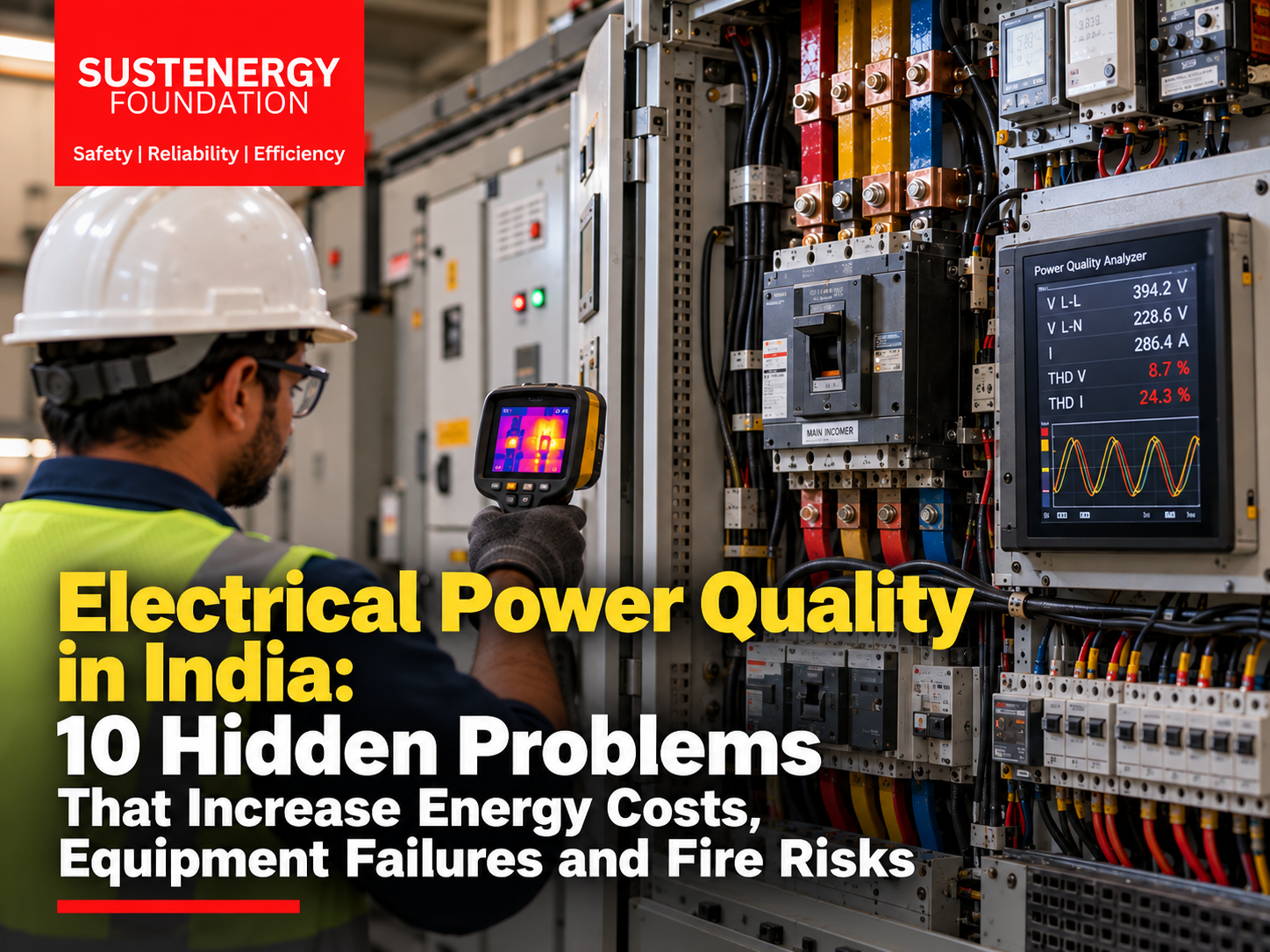
Over time, these conditions can lead to electrical arcing and eventual fire incidents. This is why advanced thermography and thermal imaging inspections have become essential components of modern electrical safety programs.
4. Delayed Detection Allows Fires to Grow Rapidly
A fire discovered during working hours may be controlled within minutes.
At night, however, a fire may continue burning for 15 to 60 minutes before anyone notices.
Since fire growth is exponential, even a small electrical spark can quickly develop into a room-wide fire.
This is especially dangerous in hospitals where vulnerable patients may be unable to evacuate. Consequently, a comprehensive hospital electrical safety audit should include effective night-time monitoring systems and emergency response procedures.
5. Air Conditioners Operate Continuously During Night Hours
During India's hot summer months, air conditioners often run continuously from late evening until morning.
Common fire-prone components include:
Indoor unit electrical connections
Outdoor compressor terminals
Control wiring
Overheated electrical joints
Extended operating hours increase the likelihood of insulation failure, loose connection overheating, and electrical arcing.
Regular hotel electrical safety audits should therefore include HVAC electrical inspections, thermal imaging assessments, and load analysis.
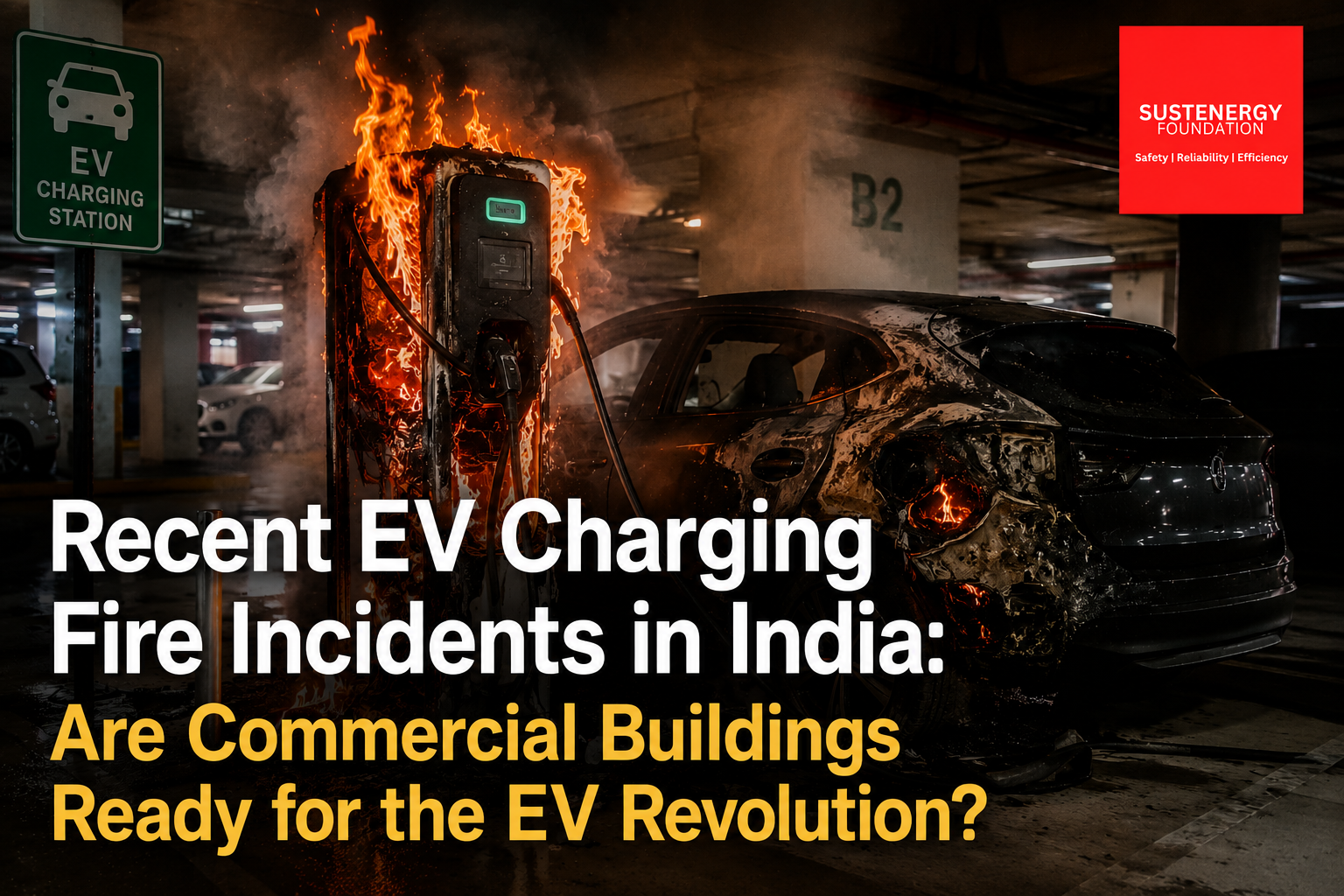
6. Overnight Charging Creates Hidden Fire Risks
Many people leave devices charging while they sleep, including:
Mobile phones
Laptops
Power banks
E-bikes
Inverter batteries
Poor-quality chargers, damaged batteries, and overloaded extension boards can overheat silently throughout the night.
When these failures occur, occupants often remain unaware until smoke or flames have already spread.
7. Electrical Connections Reach Peak Temperatures After Hours of Operation
Loose electrical connections do not usually fail instantly.
Instead, temperatures gradually increase over time:
8:00 PM – Warm
11:00 PM – Hot
2:00 AM – Very Hot
4:00 AM – Potential Failure
This progressive heating explains why many electrical fires occur during the early morning hours.
Thermographic inspections frequently reveal:
Loose terminals
Poor contact surfaces
Overloaded circuits
Overheated breakers
before they become fire hazards.
8. Night-Time Personnel May Lack Technical Training
During the night, many facilities rely primarily on security guards or housekeeping staff for supervision.
While these personnel play an important role, they may not always recognize early signs of electrical failure such as:
Overheated panels
Burning odors
Sparking sounds
Electrical smoke
Regular awareness training integrated with electrical safety audit programs can significantly improve early detection and response.
9. Lower Activity Levels Can Lead to Higher Fatalities
Ironically, while fewer people are awake at night, more people are inside the building.
This creates a dangerous situation:
Fires are detected later.
Evacuation begins later.
Occupants have less time to escape.
This is one reason why early-morning fires in hotels, hospitals, and residential buildings often result in higher casualty rates.
10. Safety Systems Are Often Poorly Maintained
Post-fire investigations frequently reveal preventable issues such as:
RCCBs that have been bypassed
Non-functional smoke detectors
Disabled fire alarm systems
Uninspected electrical panels
Lack of thermal imaging inspections
When these protective systems fail during the night, the consequences can be catastrophic.
A professional electrical safety audit should verify the functionality of all critical protection systems before an emergency occurs.
Why Most Electrical Fires Occur Between 1 AM and 8 AM
A typical sequence often looks like this:
A loose electrical connection exists.
Equipment operates continuously.
Temperature gradually increases.
Insulation begins to deteriorate.
Electrical arcing develops.
Smoke forms unnoticed.
Fire spreads.
Detection occurs too late.
This pattern has been observed repeatedly across homes, apartments, hospitals, hotels, and industrial facilities throughout India.
Essential Measures to Prevent Early-Morning Electrical Fires
Organizations and homeowners can significantly reduce risk by implementing the following controls:
✅ Conduct annual electrical safety audits
✅ Perform periodic thermal imaging inspections
✅ Ensure functional 30 mA RCCB protection
✅ Install smoke detectors in critical locations
✅ Avoid overnight charging of poor-quality devices
✅ Periodically tighten electrical terminations
✅ Service air-conditioning systems before summer
✅ Test fire alarm systems regularly
✅ Train night-shift personnel to identify electrical hazards
The True Cost of Electrical Fires
Electrical fires can have devastating consequences, including:
Property losses worth crores of rupees
Insurance claim disputes
Operational shutdowns
Loss of hospital bed capacity
Hotel revenue interruption
Permanent business closure
Loss of human life
Long-term reputational damage
Compared to these losses, the cost of preventive electrical safety measures is minimal.
How Sustenergy Foundation Helps
At Sustenergy Foundation, we support organizations in identifying and eliminating electrical hazards through:
Hospital Electrical Safety Audits
Hotel Electrical Safety Audits
Electrical Safety Audits for IT/ITES Facilities
Manufacturing Plant Electrical Audits
Energy Audits and Energy Cost Optimization Programs
Using advanced thermography and thermal imaging technologies, our experts detect hidden risks before they become major incidents and provide practical recommendations to improve safety, reliability, and energy efficiency.
Building Future Safety Leaders
Through the Sustenergy School of Business Excellence, we also offer industry-focused professional development programs, including:
Certified Facility Management Professional (CFMP)
Certified Healthcare Electrical Technician (CHET)
Certified Banking Facility Management Professional (CBFMP)
These programs help professionals strengthen their expertise in safety management, energy efficiency, compliance, and facility operations.
Conclusion
Electrical systems are not inherently more dangerous during the early morning hours. However, the combination of continuous equipment operation, unattended faults, sleeping occupants, and delayed response creates ideal conditions for electrical fires to develop and spread.
Regular electrical safety audits in India, combined with specialized hospital electrical safety audits, hotel electrical safety audits, and advanced thermographic inspections, remain the most effective strategies for preventing these tragedies.
The cost of prevention is measured in lakhs.
The cost of failure is often measured in lives.
Investing in electrical safety today can save lives, protect businesses, and build a safer, more resilient India for tomorrow.