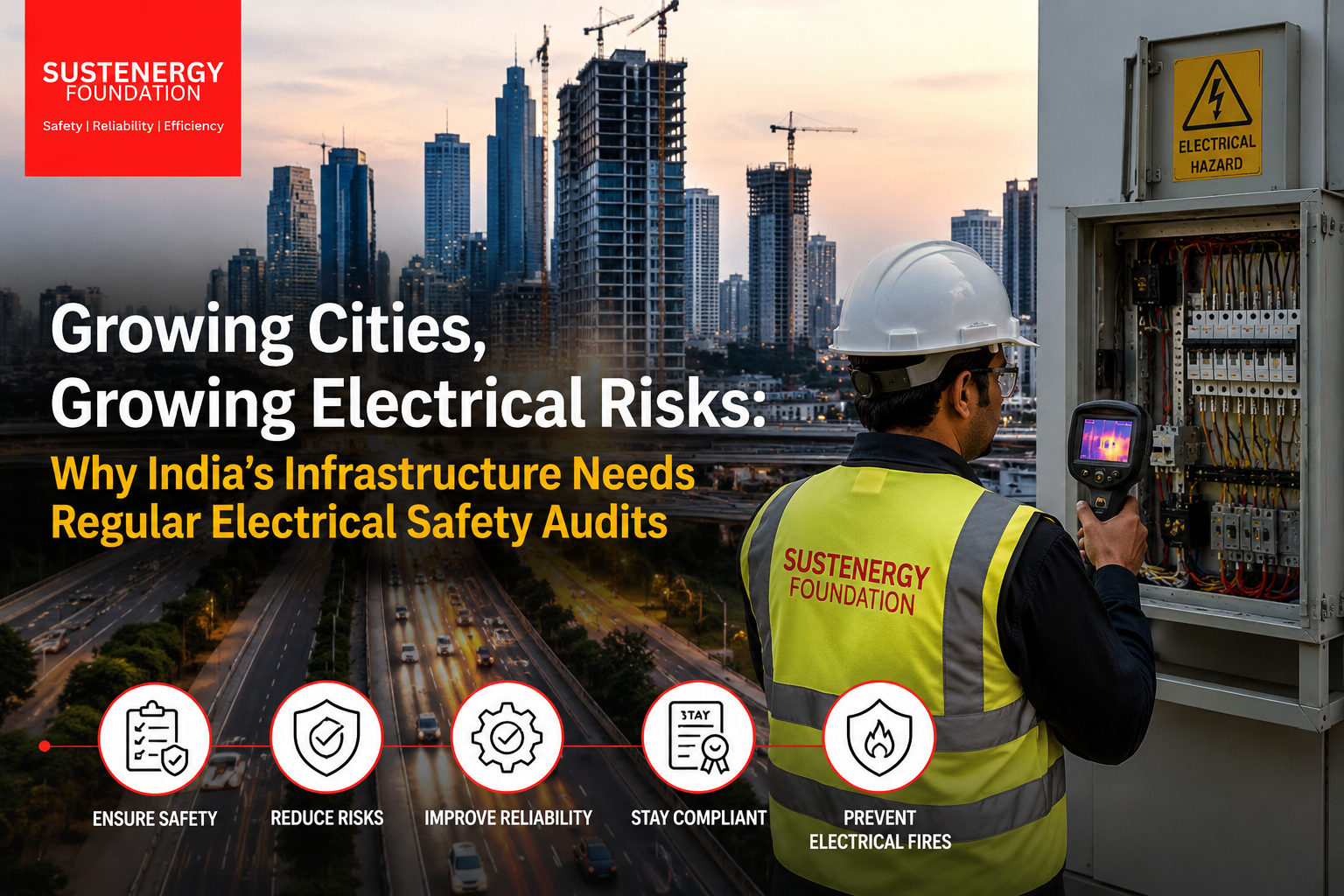
Growing Cities, Growing Electrical Risks: Why India's Infrastructure Needs Regular Electrical Safety Audits
India is transforming at an extraordinary pace.
Across the country, new airports, hospitals, hotels, IT parks, manufacturing plants, data centres, metro rail networks, commercial complexes, and smart residential communities are being built every day. This rapid infrastructure growth is strengthening the nation's economy, creating employment opportunities, and improving the quality of life for millions of people.
But amid this impressive progress, one critical aspect often doesn't receive the attention it deserves—electrical safety.
Electricity powers every modern facility. Whether it's keeping life-saving medical equipment running in hospitals, supporting data centres that operate 24/7, or ensuring uninterrupted operations in hotels, factories, and commercial buildings, reliable electrical systems are essential.
However, as facilities expand and electrical loads increase, the risk of electrical failures also grows. Without regular Electrical Safety Audits, hidden defects can remain unnoticed until they lead to equipment damage, business interruptions, or even devastating electrical fires.
India's Rapid Infrastructure Growth Brings New Electrical Challenges
India is one of the fastest-growing infrastructure markets in the world. Every year, thousands of new electrical installations are commissioned while existing facilities undergo expansions, renovations, and technology upgrades.
Unfortunately, electrical systems are not always upgraded at the same pace as the buildings they serve.
A manufacturing unit may install additional machinery. A hospital may add new diagnostic equipment. A hotel may renovate its rooms or expand banquet facilities. While these upgrades improve operations, they also increase electrical demand.
Over time, electrical systems that were originally designed for a smaller load can become overstressed.
This often leads to hidden issues such as:
- Overloaded feeders and distribution boards
- Poor or deteriorated earthing systems
- Incorrect protection coordination
- Ageing cables with damaged insulation
- Missing or malfunctioning RCCBs (Residual Current Circuit Breakers)
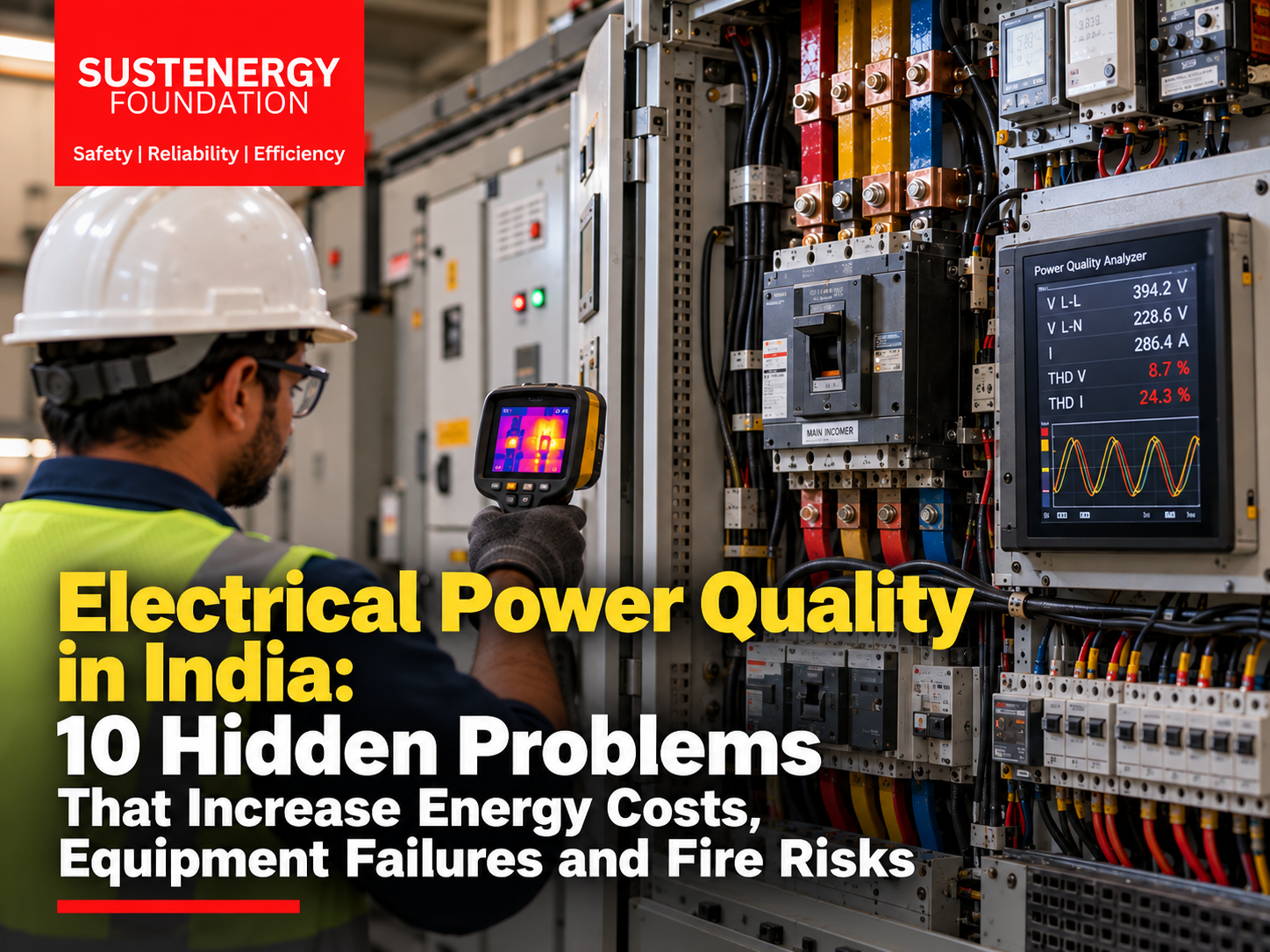
- Loose electrical connections creating excessive heat
- Outdated single-line diagrams and maintenance records
Many of these problems develop gradually and show no visible warning signs until a failure occurs.
Electrical Fires Are Preventable—But Only If Risks Are Identified Early
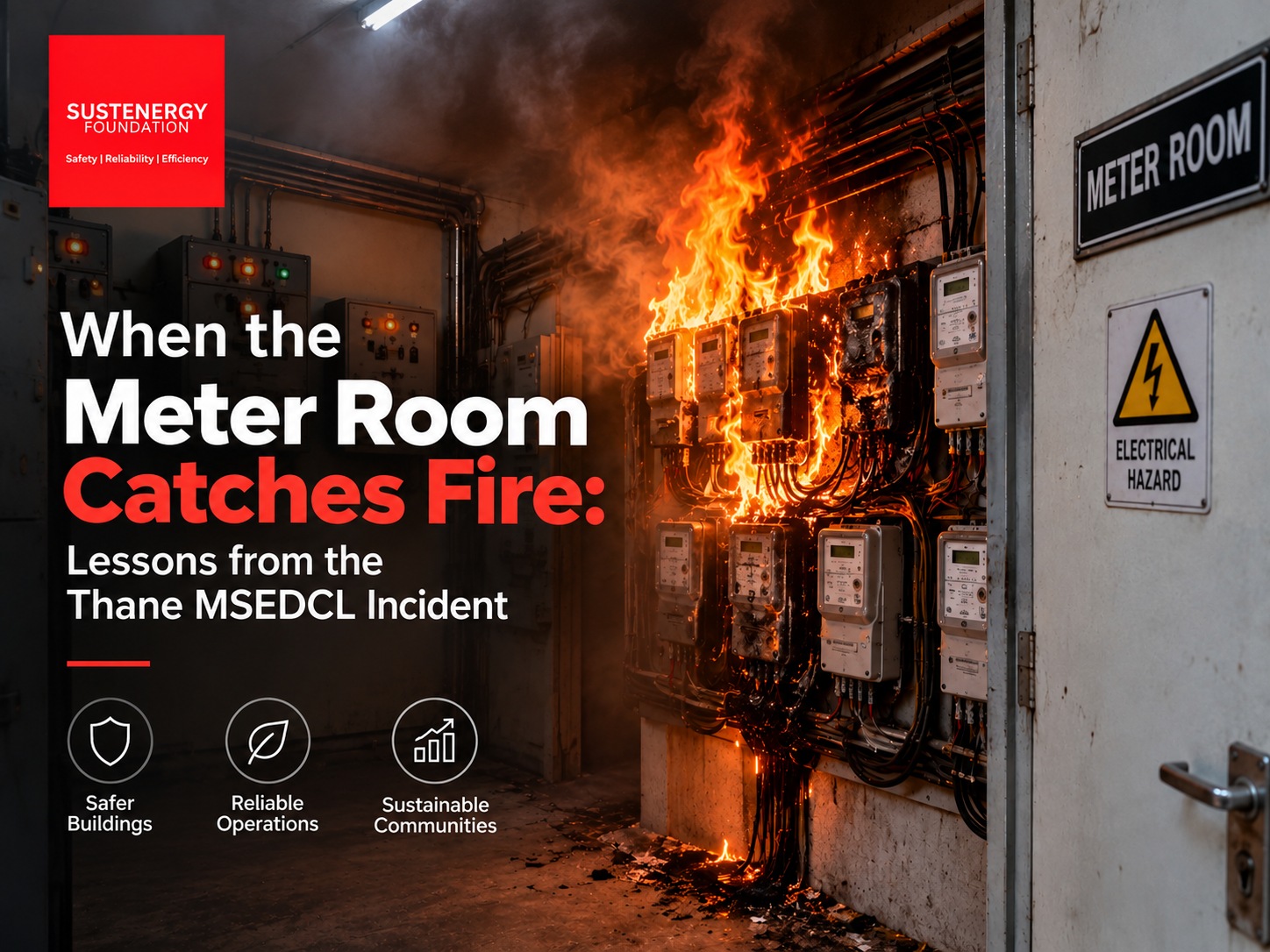
Electrical faults continue to be one of the leading causes of fires in commercial and industrial buildings across India.
Hospitals, hotels, shopping malls, factories, educational institutions, IT parks, and residential high-rises are especially vulnerable because of their complex electrical infrastructure and continuous operations.
Even a minor electrical fault can have serious consequences, including:
- Fire accidents
- Equipment failure
- Power outages
- Production losses
- Business interruption
- Expensive repairs
- Risk to human life
The good news is that many of these incidents are entirely preventable.
Routine Electrical Safety Inspections and Electrical Safety Audits help detect problems before they become emergencies.
Why Regular Electrical Safety Audits Matter
An Electrical Safety Audit is far more than a compliance requirement—it is a proactive approach to protecting people, assets, and business operations.
A professional Electrical Safety Audit in India evaluates the health of an entire electrical installation and identifies hidden risks that may otherwise go unnoticed.
A comprehensive audit typically includes:
- Inspection of electrical distribution systems
- Earthing and equipotential bonding assessment
- Protection system coordination analysis
- Transformer, DG, UPS, and backup power system evaluation
- RCCB testing and protection verification
- Earth Fault Loop Impedance testing
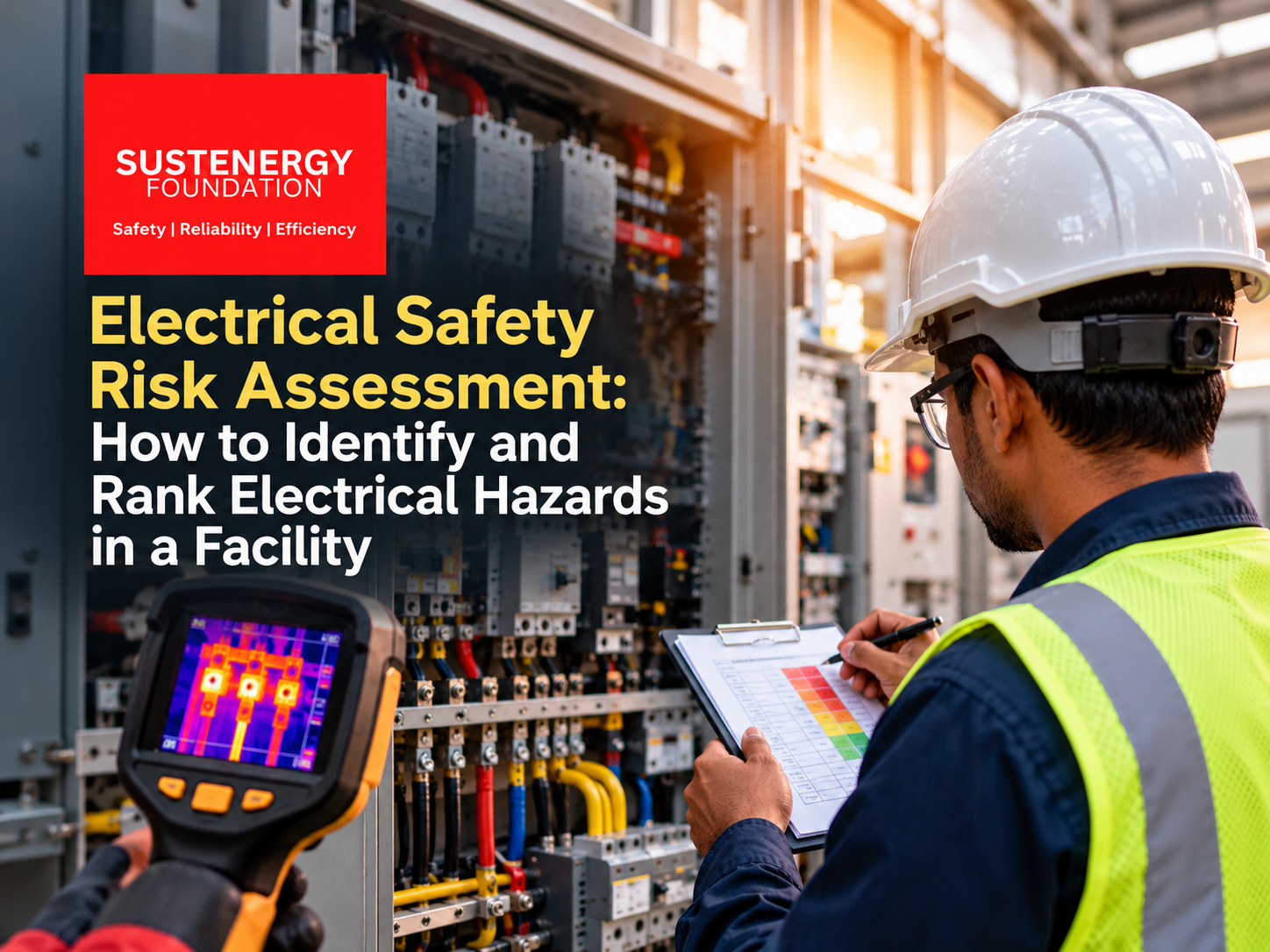
- Thermal imaging (Thermography Inspection) of critical electrical equipment
- Cable and insulation condition assessment
- Review of electrical documentation and single-line diagrams
- Compliance verification with applicable Indian Standards and regulations
These assessments enable organisations to shift from reactive maintenance to proactive risk management—reducing downtime, improving reliability, and enhancing workplace safety.
Compliance Alone Isn't Enough
Meeting regulatory requirements is important, but true electrical safety goes beyond compliance.
Electrical systems age. Equipment is replaced. Loads change. Temporary modifications become permanent. Over time, even facilities that were originally designed to meet all standards can develop new risks.
This is why periodic Electrical Risk Assessments and Industrial Electrical Safety Audits are essential throughout a facility's lifecycle.
Regular audits help organisations:
- Identify hidden electrical hazards
- Improve system reliability
- Reduce maintenance costs
- Prevent unexpected equipment failures
- Minimise fire risks
- Protect employees and occupants
- Support insurance and compliance requirements
Ultimately, they contribute to safer, more resilient infrastructure.
Government Initiatives Are Strengthening Electrical Safety
The Government of India, along with various State Governments, continues to enhance electrical safety through updated regulations, improved technical standards, and greater awareness.
Recent initiatives focus on:
- Strengthening electrical safety regulations
- Encouraging periodic inspection and testing
- Improving compliance with national electrical standards
- Promoting energy efficiency and sustainability
- Increasing awareness of electrical and fire safety
- Enhancing enforcement through regulatory authorities
While ensuring consistent compliance across a country as vast as India is an ongoing challenge, these initiatives are helping industries adopt safer and more reliable electrical practices.
Building Smarter and Safer Infrastructure
India's infrastructure ambitions are among the most exciting in the world.
But sustainable development isn't just about constructing bigger buildings or expanding capacity—it is about ensuring those facilities remain safe, reliable, and resilient throughout their lifespan.
Investing in regular Electrical Safety Audit Services helps organisations:
- Protect lives
- Safeguard valuable assets
- Prevent electrical fires
- Improve operational reliability
- Enhance business continuity
- Support long-term sustainability
Electrical safety should never be viewed as a one-time project. It is an ongoing commitment that evolves alongside your facility.
Partner with Sustenergy Foundation for Trusted Electrical Safety Audits
At Sustenergy Foundation, we believe that safe electrical infrastructure is the cornerstone of sustainable growth.
As one of the leading providers of Electrical Safety Audit Services in India, we help hospitals, hotels, commercial buildings, industrial facilities, educational institutions, and infrastructure projects identify hidden electrical risks before they become costly failures.
Our expert team conducts comprehensive Electrical Safety Audits, Thermography Inspections, Earthing System Testing, RCCB Testing, and Electrical Risk Assessments to improve safety, ensure compliance, and strengthen operational reliability.
In a rapidly growing nation, electrical safety is not optional—it is essential.
Because India's future depends not only on building more, but on building safer.